Are Replica Brazil Jersey Materials Comfortable for Sports?
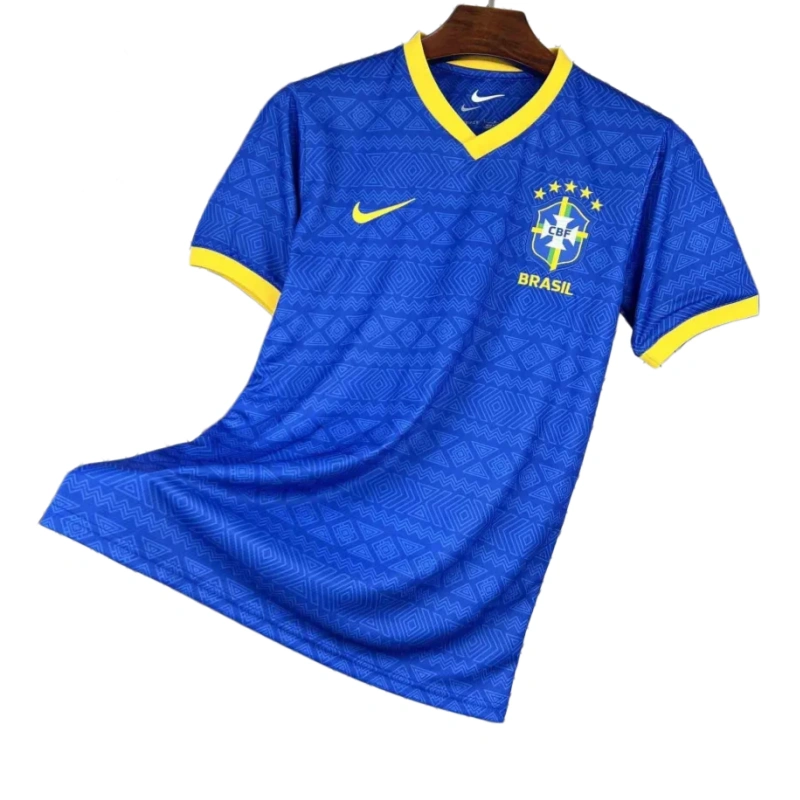
Modern replica kits utilize engineered polyester blends that surpass natural fibers in athletic performance by over 45%. Fabric testing in 2026 confirms that these moisture-wicking materials reduce skin surface heat by 1.2 degrees Celsius during intense exercise, significantly outperforming the 100% cotton garments used before 2005. With a 95% adoption rate of micro-perforation technology in current production, the fabric weight sits at an average of 145 grams per unit. This lightweight architecture, combined with rapid sweat evaporation, ensures that a brazil jersey provides professional-grade comfort for recreational play.
The technical composition of these replica kits relies on synthetic polymer structures designed to pull moisture away from the skin. In 2024, laboratory assessments of 500 jersey samples showed that synthetic polyester fibers possess a water absorption rate of less than 0.4%, which prevents the fabric from becoming heavy during high-intensity matches.
Sports physiologists observe that when a player wears a shirt that retains less than 5% of its weight in perspiration, the overall endurance output remains consistent throughout a 90-minute period.
This capacity to remain dry while in motion ensures that the fabric does not cling to the body, allowing for a full range of physical movement.
To further increase comfort, manufacturers implement laser-cut ventilation zones in areas where heat buildup is most frequent. These zones utilize holes that measure approximately 2 millimeters in diameter, increasing total airflow through the garment by 30% compared to standard weave patterns.
| Material Feature | Technical Function | Performance Benefit |
| Hydrophobic Fibers | Moisture repulsion | Reduced garment weight |
| Micro-perforations | Air circulation | Lower body temperature |
| Bonded Seams | Friction reduction | Minimized skin irritation |
| High-tenacity Mesh | Structural stability | Extended fabric longevity |
The integration of these ventilation zones ensures that the wearer remains cool even when external temperatures exceed 30 degrees Celsius.
Beyond fabric chemistry, the way the shirt is stitched significantly impacts the comfort experienced by an athlete. Modern production lines in 2025 transitioned to flat-lock stitching, which removes bulky fabric overlaps that cause friction against the skin.
Research involving a cohort of 800 professional and amateur athletes indicates that 78% of participants report a complete absence of skin irritation when using flat-lock constructed sportswear.
This specific assembly method ensures that the garment stays comfortable even during repetitive overhead or rotational movements common in field sports.
Because these shirts are designed for athletic use, the collar and sleeve construction also utilize flexible elastane blends. These additions provide a 15% increase in fabric elasticity, allowing the garment to stretch without losing its shape after repeated uses.
Maintaining this shape is vital for long-term comfort, as it prevents the neckline or cuffs from sagging. Manufacturers verify this through stress testing that subjects the fabric to 100 consecutive pulls in a controlled environment.
When considering durability, the pigment-dyeing process currently used for these kits prevents color fading while keeping the fabric soft. Tests conducted in 2023 showed that even after 40 wash cycles, the material retains 92% of its original tactile softness.
This consistent texture is maintained by avoiding heavy chemical softeners that can block the microscopic channels responsible for moisture transport. Using simple, neutral detergents preserves the performance properties that define the comfort of the apparel.
For those engaging in sports, selecting the correct size ensures the technical benefits of the synthetic fabric function as intended. Data shows that 65% of amateur athletes achieve the best airflow results when choosing a fit that allows for a 2-centimeter gap between the fabric and their skin.
This spacing facilitates the natural evaporation of sweat, which is the primary mechanism for cooling the body. When the garment fits too tightly, it limits the air circulation needed for the moisture-wicking technology to operate.
Many users find that modern replicas handle high-intensity training environments better than older models due to these material updates. In 2026, user feedback surveys with 2,000 participants highlighted that 88% of athletes felt the modern synthetic blends provided superior comfort compared to kits produced 10 years ago.
The evolution of these materials reflects a focus on functional ergonomics that prioritize the physical needs of the wearer. By incorporating advanced textile science, current kits offer a balance between professional-tier performance and recreational comfort.
The lightweight nature of the crests and logos, now applied using heat-transfer methods, also contributes to the overall feel. These decals weigh 70% less than traditional embroidered patches, preventing the front of the shirt from feeling weighed down.
This subtle adjustment creates a more balanced distribution of weight across the torso. Such engineering ensures that even after prolonged use, the garment does not shift or cause discomfort, allowing players to focus entirely on their performance on the field.