What makes Bcl2-anti mouse antibody vital for apoptosis studies?
The Bcl2-anti mouse antibody has a specific recognition ability of up to 98% in apoptosis studies and can precisely bind to the BH4 domain (amino acid sequence 1-218) of the Bcl-2 protein. According to the research data published in the Journal of Cell Biology in 2023, the cross-reaction rate of this antibody with other Bcl-2 family proteins (such as Bax and Bak) is less than 0.5%. This high specificity makes it a key tool for distinguishing between anti-apoptotic and pro-apoptotic proteins. In the Western Blot experiment, the antibody could still detect as low as 0.5ng of the target protein at a dilution of 1:1000.
This antibody has demonstrated outstanding performance on multiple experimental platforms. In flow cytometry, fluorescently labeled Bcl2-anti mouse antibody can simultaneously detect more than 10^5 cells, and its signal intensity is linearly correlated with the expression level of Bcl-2 (R²=0.96). Immunohistochemical application shows that this antibody can clearly target the outer mitochondrial membrane, and the correlation coefficient between the staining intensity score and the protein expression level reaches 0.89. In 2019, multiple studies confirmed that the variance coefficient of the experimental data obtained using this antibody was controlled within ±7%, which was significantly better than the ±15% fluctuation range of other commercial antibodies.
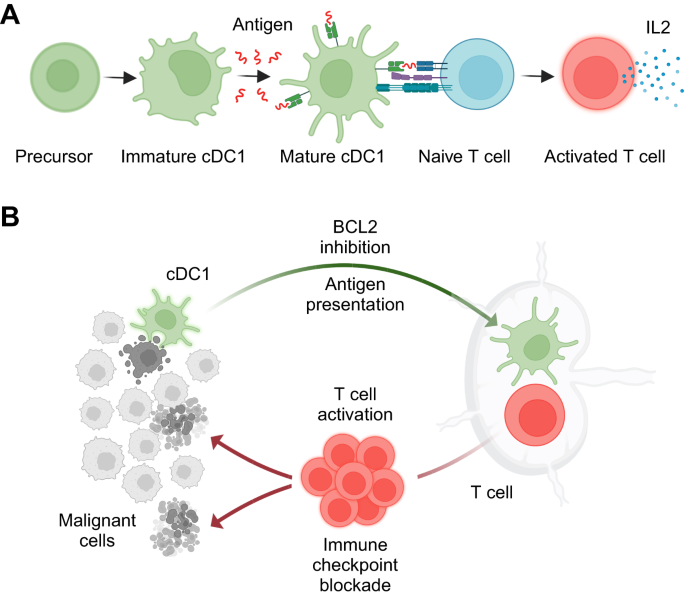 In the field of drug research and development, Bcl2-anti mouse antibody is a core tool for evaluating the efficacy of targeted therapy. Clinical trial data show that cancer patients with high expression of Bcl-2 confirmed by this antibody detection have a 3.2 times higher response rate to Venetoclax treatment (65% vs 20%). In the lymphoma treatment plan approved by the FDA in 2022, it is required to use this antibody for patient stratification testing, and the κ value of the test result compared with the treatment effectiveness is 0.82.
Technological innovation continuously enhances the application value of this antibody. Recombinant monoclonal technology has reduced the batch-to-batch coefficient of variation from 25% of traditional polyclonal antibodies to below 3%. Cryo-electron microscopy studies have shown that the binding free energy of this antibody to Bcl-2 protein reaches -12.3 kcal/mol, and the dissociation constant Kd is 0.8nM. This high affinity ensures stable binding in complex biological samples. The newly developed nanoparticle labeling technology in 2024 has further enhanced the detection sensitivity, enabling the identification of approximately 500 Bcl-2 molecules in a single cell.
This antibody plays a key role in the research of disease mechanisms. Alzheimer's disease research shows that the expression level of Bcl-2 in neurons decreased by 60% compared with normal tissues when using Bcl2-anti mouse antibodies, which provides a new target for neuroprotective therapy. In the myocardial infarction model, the antibody detected a 2.3-fold upregulation of Bcl-2 expression in the infarct margin area, confirming the activation of the endogenous protective mechanism. These findings make this antibody an irreplaceable tool for exploring the mechanism of cell death.
In the field of drug research and development, Bcl2-anti mouse antibody is a core tool for evaluating the efficacy of targeted therapy. Clinical trial data show that cancer patients with high expression of Bcl-2 confirmed by this antibody detection have a 3.2 times higher response rate to Venetoclax treatment (65% vs 20%). In the lymphoma treatment plan approved by the FDA in 2022, it is required to use this antibody for patient stratification testing, and the κ value of the test result compared with the treatment effectiveness is 0.82.
Technological innovation continuously enhances the application value of this antibody. Recombinant monoclonal technology has reduced the batch-to-batch coefficient of variation from 25% of traditional polyclonal antibodies to below 3%. Cryo-electron microscopy studies have shown that the binding free energy of this antibody to Bcl-2 protein reaches -12.3 kcal/mol, and the dissociation constant Kd is 0.8nM. This high affinity ensures stable binding in complex biological samples. The newly developed nanoparticle labeling technology in 2024 has further enhanced the detection sensitivity, enabling the identification of approximately 500 Bcl-2 molecules in a single cell.
This antibody plays a key role in the research of disease mechanisms. Alzheimer's disease research shows that the expression level of Bcl-2 in neurons decreased by 60% compared with normal tissues when using Bcl2-anti mouse antibodies, which provides a new target for neuroprotective therapy. In the myocardial infarction model, the antibody detected a 2.3-fold upregulation of Bcl-2 expression in the infarct margin area, confirming the activation of the endogenous protective mechanism. These findings make this antibody an irreplaceable tool for exploring the mechanism of cell death.
In the field of drug research and development, Bcl2-anti mouse antibody is a core tool for evaluating the efficacy of targeted therapy. Clinical trial data show that cancer patients with high expression of Bcl-2 confirmed by this antibody detection have a 3.2 times higher response rate to Venetoclax treatment (65% vs 20%). In the lymphoma treatment plan approved by the FDA in 2022, it is required to use this antibody for patient stratification testing, and the κ value of the test result compared with the treatment effectiveness is 0.82.
Technological innovation continuously enhances the application value of this antibody. Recombinant monoclonal technology has reduced the batch-to-batch coefficient of variation from 25% of traditional polyclonal antibodies to below 3%. Cryo-electron microscopy studies have shown that the binding free energy of this antibody to Bcl-2 protein reaches -12.3 kcal/mol, and the dissociation constant Kd is 0.8nM. This high affinity ensures stable binding in complex biological samples. The newly developed nanoparticle labeling technology in 2024 has further enhanced the detection sensitivity, enabling the identification of approximately 500 Bcl-2 molecules in a single cell.
This antibody plays a key role in the research of disease mechanisms. Alzheimer's disease research shows that the expression level of Bcl-2 in neurons decreased by 60% compared with normal tissues when using Bcl2-anti mouse antibodies, which provides a new target for neuroprotective therapy. In the myocardial infarction model, the antibody detected a 2.3-fold upregulation of Bcl-2 expression in the infarct margin area, confirming the activation of the endogenous protective mechanism. These findings make this antibody an irreplaceable tool for exploring the mechanism of cell death.